3 Ways to Build Customer Trust Through Email Authentication

Nowadays, customers expect every email they receive from your organization to be legitimate, secure, and reliable. But with phishing attacks, spoofed emails, and domain impersonation increasing rapidly, businesses are struggling to maintain that trust. Cybercriminals are no longer “breaking in”; they’re logging in or pretending to be you. A single fraudulent email sent from a spoofed domain can damage your brand reputation, reduce customer confidence, and even lead to financial losses. This is where email authentication becomes essential. Protocols like SPF, DKIM, and DMARC help organizations verify legitimate email senders and prevent unauthorized emails from reaching inboxes. Together, they create a strong layer of protection against phishing and spoofing attacks while improving email deliverability and customer confidence. Here are three powerful ways email authentication helps businesses build long-term customer trust. 1. Prevent Email Spoofing and Brand Impersonation Nothing damages customer trust faster than fraudulent emails pretending to come from your

Continue Reading: 3 Ways to Build Customer Trust Through Email Authentication

The Rise of AI-Powered Email Threats in 2026

Email has always been the most targeted vector for cyberattacks. But in 2026, the threat landscape has shifted dramatically. Attackers are no longer relying on poorly worded phishing emails or generic spam blasts. They are now armed with artificial intelligence, and the results are devastating. AI-powered email threats are smarter, faster, and harder to detect than ever before. They mimic trusted senders, craft hyper-personalized lures, and bypass traditional security filters with surgical precision. For businesses that haven’t invested in robust email authentication, the risk is no longer hypothetical; it’s immediate. This is why protocols like DMARC, SPF, and DKIM have moved from “best practice” to an absolute necessity in 2026. How AI Has Changed the Email Threat Landscape For years, cybersecurity teams relied on predictable attack patterns to filter malicious emails. Typos, strange formatting, generic greetings, and suspicious domains were telltale signs. AI has quietly dismantled every one of those

Continue Reading: The Rise of AI-Powered Email Threats in 2026

Trends in Email Security: What to Expect in 2026

The cybersecurity landscape is evolving faster than ever, and email security remains the first and most targeted defense line. With over 90% of cyberattacks starting from emails, through phishing, spoofing, and social engineering, organizations must equip themselves with smarter tools and proactive strategies. As 2026 approaches, email protection will no longer be just a technical issue, it will be a strategic business function. Here are the key trends that will define the next wave of secure communication. 1. AI-Powered Email Threat Detection Artificial intelligence is transforming both sides of the cybersecurity battlefield. Cybercriminals are now using generative AI to create convincing phishing campaigns and synthetic content designed to evade traditional security systems. In response, organizations will adopt AI-driven threat detection models that assess sender behavior, message tone, and user interactions in real time. These adaptive systems will spot even the most sophisticated and human-like scams before they reach the inbox.

Continue Reading: Trends in Email Security: What to Expect in 2026

Common Email Mistakes That Can Cost Your Company Millions 

Email is still the backbone of business communication, powering everything from daily updates to multimillion-dollar client deals. Yet despite its importance, email security often doesn’t get the attention it deserves. This oversight leaves organizations vulnerable to fraud, data breaches, and reputational damage that can cost millions. Here are the most common and dangerous email mistakes businesses make, and how to fix them before it’s too late. 1. Neglecting Email Authentication Protocols One of the most costly errors companies commit is failing to implement basic authentication standards. Without SPF, DKIM, and DMARC, your domain becomes an open invitation for cybercriminals to impersonate your brand. Business Email Compromise (BEC) scams, where attackers pose as executives or vendors, cost companies an estimated $1.8 billion annually. With no DMARC policy in place, fraudsters can send convincing phishing emails that appear to come directly from your domain, tricking employees and clients alike. Think of DMARC

Continue Reading: Common Email Mistakes That Can Cost Your Company Millions 

How Intelligent Threat Detection Works with DMARC to Stop Attacks

In today’s digital-first world, cybercriminals are becoming increasingly sophisticated, leveraging phishing, spoofing, and business email compromise (BEC) to infiltrate organizations. Emails remain the most exploited vector for cyberattacks, with nearly 94% of breaches starting in the inbox. This is where DMARC (Domain-based Message Authentication, Reporting, and Conformance) steps in, and when combined with intelligent threat detection, it transforms from a mere policy enforcement tool into a proactive security shield. With GoDMARC, businesses get the perfect blend of advanced threat intelligence and real-time monitoring to stop attacks before they reach your users. The Role of DMARC in Email Security DMARC acts as a gatekeeper for your domain. It validates emails using SPF and DKIM authentication to ensure that only authorized senders can send emails on behalf of your domain. Without DMARC, attackers can spoof your domain and trick recipients into believing fraudulent emails are genuine. However, implementing DMARC alone isn’t enough.

Continue Reading: How Intelligent Threat Detection Works with DMARC to Stop Attacks

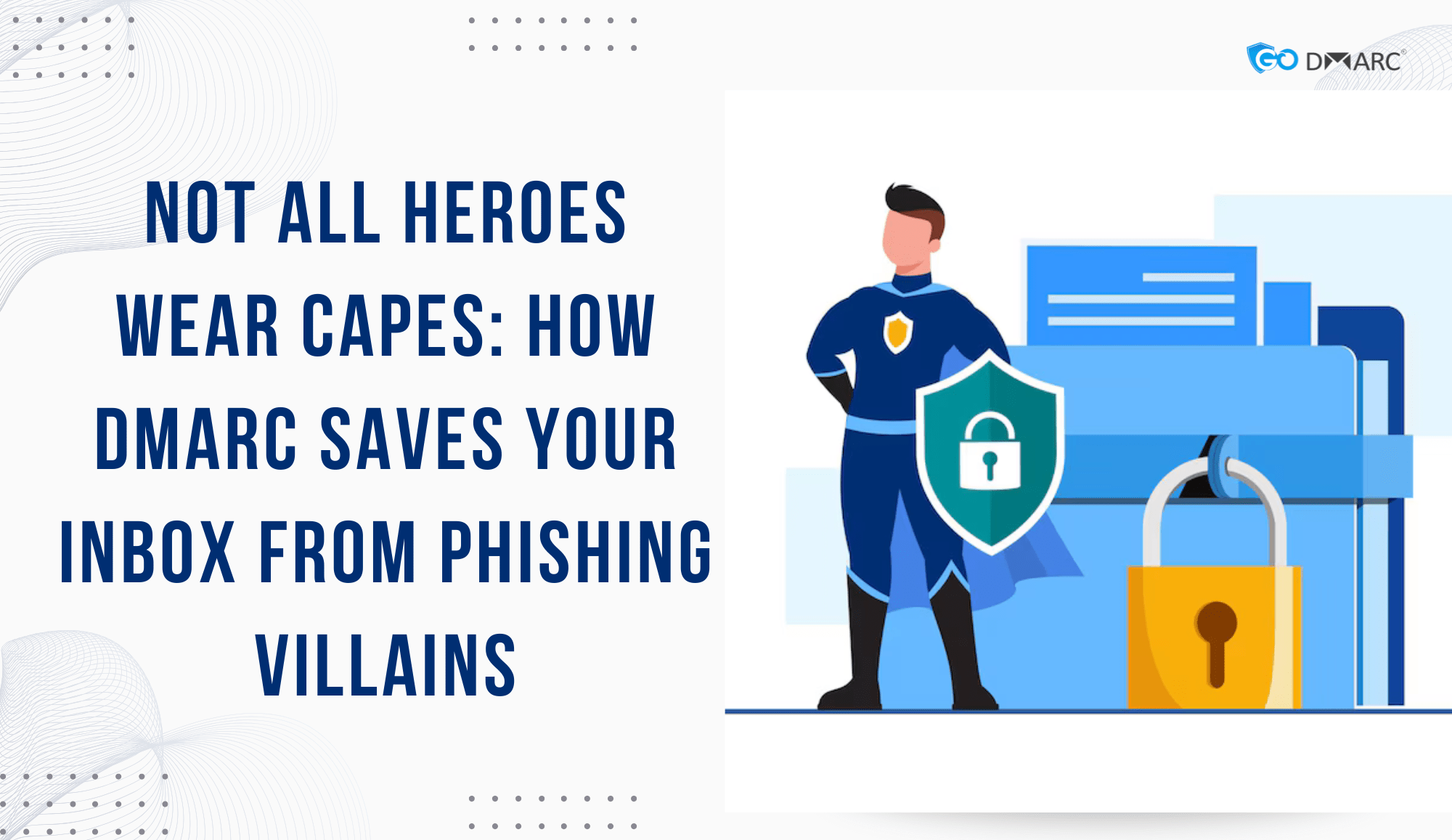
Not All Heroes Wear Capes: How DMARC Saves Your Inbox from Phishing Villains

In the world of cybersecurity, the biggest threats often arrive when they are least expected. This includes an email from your “CEO” asking for a wire transfer, or an invoice from a “vendor” you don’t remember working with.  These aren’t just harmless spam messages. They’re sophisticated phishing attacks disguised, deceptive, and devastating. But fear not. In this high-stake digital landscape, we are the quiet hero keeping the chaos in check. While it may not wear a cape or fly through firewalls, it’s the most powerful guardian your inbox can have. What Is DMARC? DMARC, or Domain-based Message Authentication, Reporting & Conformance, is an email authentication protocol. Its mission? To protect your domain from being spoofed by cybercriminals, especially through phishing attacks. It works hand-in-hand with SPF (Sender Policy Framework) and DKIM (DomainKeys Identified Mail) to verify that emails claiming to be from your domain really are. If they aren’t, tell

Continue Reading: Not All Heroes Wear Capes: How DMARC Saves Your Inbox from Phishing Villains

How Email Authentication Became a Business Imperative in 2025

You’ve spent years building your brand. It takes one spoofed email to tear that trust apart. In 2025, email authentication is no longer a “nice-to-have” feature. It has become a business imperative. With phishing scams, spoofing attacks, and email fraud reaching new heights, organizations can no longer afford to ignore the security of their outbound emails. And this shift isn’t just driven by IT departments. Today, business leaders, marketers, and brand managers are all being pulled into the email security conversation, and for good reason. The Rising Stakes of Trust Email remains the backbone of business communication. It’s where deals begin, relationships are nurtured, and trust is built. But what happens when that trust is exploited? In recent years, there’s been a surge in sophisticated phishing campaigns that mimic trusted brands with alarming accuracy. These aren’t just harmless spam messages, they’re carefully engineered attacks that can compromise sensitive data, drain

Continue Reading: How Email Authentication Became a Business Imperative in 2025

Common SPF Configuration Mistakes and How to Avoid Them

Introduction Did you know that 1 out of 3 companies experience email scam incidents every day? Implementing a correct SPF (Sender Policy Framework) record is crucial to prevent unauthorized email spoofing and ensure successful email authentication. However, many businesses make mistakes while configuring SPF, leading to security vulnerabilities and email deliverability issues. To maximize the benefits of DMARC, avoiding common pitfalls is essential. This guide outlines the most frequent mistakes and provides best practices to ensure a seamless deployment. 1. Exceeding the SPF Lookup Limit One of the most common SPF configuration mistakes is exceeding the maximum DNS lookup limit of 10. SPF records that reference too many external domains can lead to a PermError, causing email failures. How to Avoid It ✔ Use GoDMARC’s Dynamic SPF to monitor, update, and optimize SPF records automatically.✔ Minimize unnecessary “include:” mechanisms.✔ Use IP addresses directly instead of excessive domain lookups.✔ Check your

Continue Reading: Common SPF Configuration Mistakes and How to Avoid Them

How to Create a Perfect SPF Record for Email Authentication?

Introduction Email security is a top priority for businesses and individuals alike. With the rise of phishing attacks and email spoofing, ensuring that emails come from legitimate sources is crucial. One of the key methods for email authentication is the SPF (Sender Policy Framework) record. In this comprehensive guide, we will explore what an SPF record is, how to create one, best practices, common mistakes, and how an SPF Record checker can help ensure accuracy. This guide will also compare SPF with other authentication protocols like DKIM and DMARC, provide step-by-step testing methods, and give real-world examples of SPF implementation in different business settings. What is an SPF Record? Definition and Purpose An SPF record is a TXT record in your domain’s DNS settings that specifies which mail servers are authorized to send emails on behalf of your domain. It acts as a security protocol, preventing spammers from impersonating your

Continue Reading: How to Create a Perfect SPF Record for Email Authentication?

Free BIMI Record Checker Tools Online for Organizations

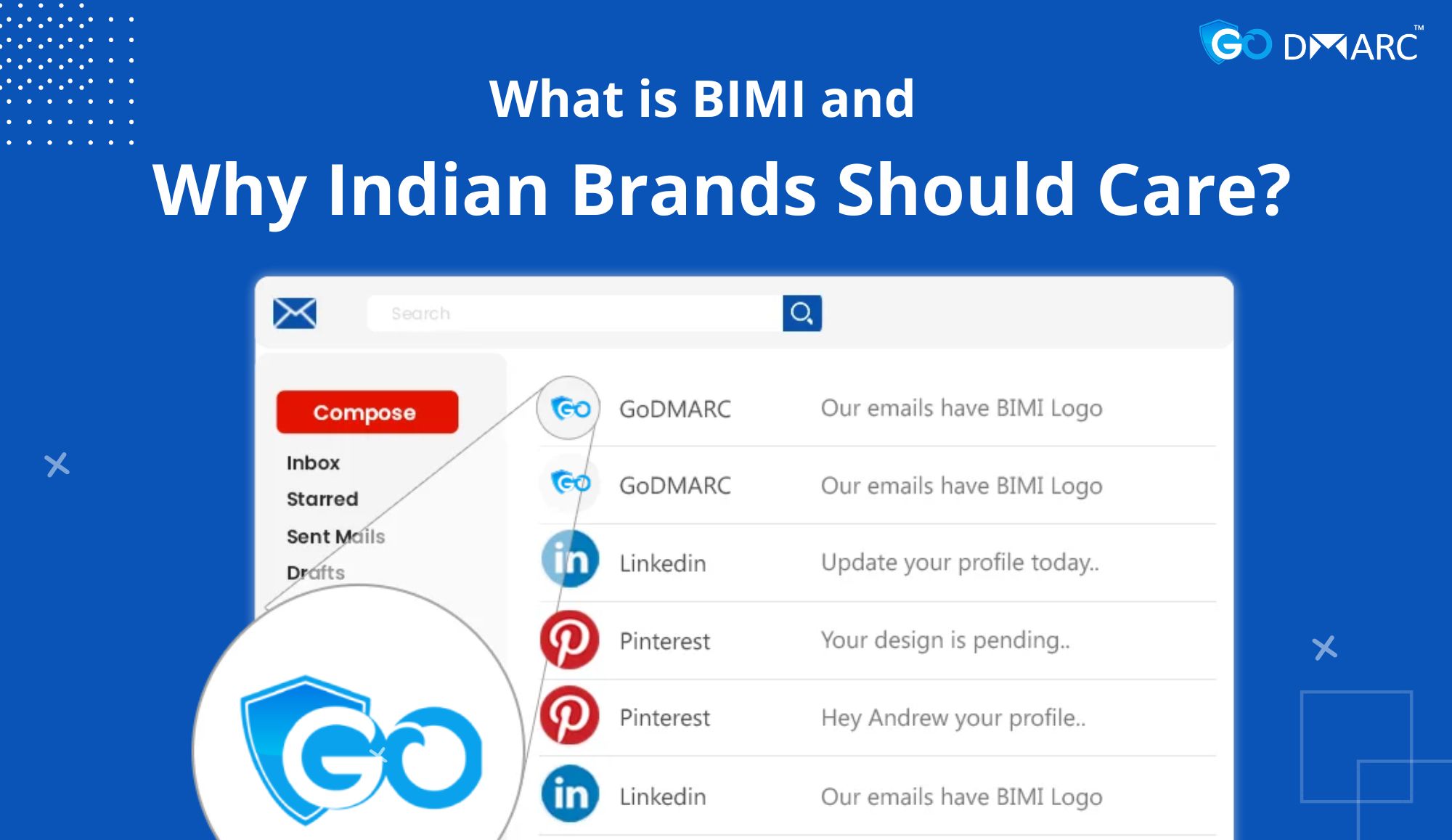
Email is considered a vital communication channel for organizations in this digital-first world. It is critical to ensure that your emails don’t just reach their intended recipients but also bestow trust and authenticity.  In order to ensure legitimacy and trustworthiness, BIMI comes into play. Brand Indicators for Message Identification enable organizations to display their brand logo alongside emails, reinforcing trust and boosting engagement rates. However, before implementing BIMI, your BIMI records must be correctly configured. For this, organizations can rely on Free BIMI Record Checker Tools available online. In this blog, we will delve deeper into what BIMI records are, why they matter, and highlight some of the best free tools available online to check and validate your BIMI records. What is a BIMI Record? A BIMI record is a DNS (Domain Name System) text entry that tells email providers where to find your brand’s logo and verification details. BIMI

Continue Reading: Free BIMI Record Checker Tools Online for Organizations

Free SPF Record Generator for Small Business Email Security

Email Security Made Easy for Small Businesses Email is at the heart of most business communication today. Whether you’re sending invoices, talking to customers, or sharing updates, email is your go-to tool. But there’s a problem. Cybercriminals often misuse email. They use tricks like spoofing, phishing, and spam to fool people. This can hurt your business, especially if you’re a small company with limited resources. That’s where SPF records come in. What Is an SPF Record? An SPF (Sender Policy Framework) record is a type of DNS record. It tells email providers which servers are allowed to send emails using your domain name. Think of it as a safety check. If someone tries to send fake emails from your domain, the SPF record helps block them. This keeps your emails safe and out of spam folders. It also protects your brand’s reputation. Why SPF Records Matter for Small Businesses 1.

Continue Reading: Free SPF Record Generator for Small Business Email Security

GoDMARC Latest Dashboard Features to Master Email Threats

Introduction Email security is more critical than ever, as cyber threats continue to evolve. Organizations must ensure that their email communication remains secure to protect sensitive data and prevent phishing attacks. GoDMARC, a leading DMARC service provider, has recently introduced advanced dashboard features designed to help businesses master email threats efficiently. This blog explores the latest enhancements in GoDMARC’s dashboard and how they empower organizations to strengthen their email security posture. Why DMARC Matters in Email Security DMARC (Domain-based Message Authentication, Reporting, and Conformance) is a crucial protocol that helps organizations safeguard their email domains from phishing, spoofing, and other malicious attacks. It works in conjunction with SPF (Sender Policy Framework) and DKIM (DomainKeys Identified Mail) to authenticate email sources and provide visibility into email traffic. Without DMARC enforcement, cybercriminals can impersonate a company’s domain and launch fraudulent email campaigns, leading to financial loss, reputational damage, and data breaches. This

Continue Reading: GoDMARC Latest Dashboard Features to Master Email Threats

The Importance of SPF, DKIM, and DMARC in Preventing Phishing Attacks

Introduction Email remains one of the most widely used communication channels for businesses and individuals. However, it is also a primary target for cybercriminals who exploit vulnerabilities to conduct phishing attacks, spoofing, and email fraud. To combat these threats, organizations must implement email authentication protocols such as SPF, DKIM, and DMARC. These technologies work together to verify the authenticity of emails and prevent unauthorized senders from exploiting a domain. In this blog, we will explore the significance of SPF, DKIM, and DMARC in strengthening email security and how they help in preventing phishing attacks. Understanding Email Spoofing and Phishing Attacks Phishing attacks often involve email spoofing, where an attacker forges the “From” address to make an email appear as if it comes from a trusted source. The goal is to deceive recipients into clicking malicious links, downloading malware, or providing sensitive information such as login credentials and financial details. How

Continue Reading: The Importance of SPF, DKIM, and DMARC in Preventing Phishing Attacks

Top 10 Reasons Your DMARC Record Is Not Working as Expected

Introduction DMARC (Domain-based Message Authentication, Reporting, and Conformance) is an essential protocol that protects domains from email spoofing and phishing attacks. However, despite setting up a DMARC record, many organizations find that it does not function as expected. Understanding the reasons behind these issues is crucial for effective email authentication. In this article, we will explore the top 10 reasons why your DMARC record may not be working as expected and how to resolve these issues effectively. 1. Syntax Errors in the DMARC Record One of the most common reasons for DMARC failure is a syntax error in the record. A small typo or incorrect formatting can prevent mail servers from correctly interpreting your DMARC policy. Using a DMARC Record Generator can help eliminate such errors by ensuring correct formatting. Solution: 2. Incorrect SPF or DKIM Configuration DMARC relies on SPF (Sender Policy Framework) and DKIM (DomainKeys Identified Mail) to

Continue Reading: Top 10 Reasons Your DMARC Record Is Not Working as Expected